

Explanation
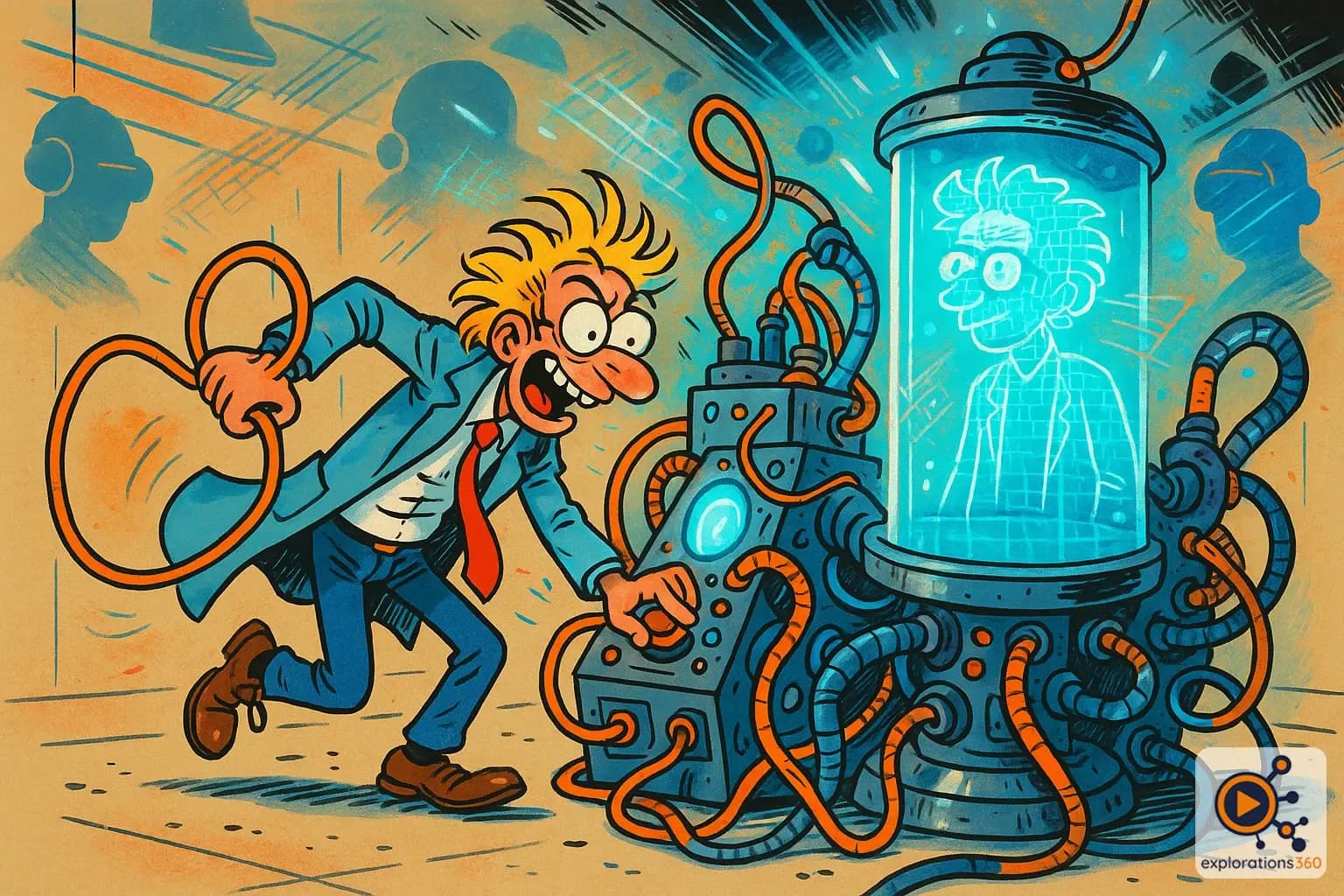
A dynamic digital model that faithfully reproduces a real entity (building, machine, process) and synchronizes with it in real time or near-real time via sensors and data.
Real-world example
A 3D replica of a factory accessible in VR, showing every machine's real-time status, temperature, and maintenance history — allowing technicians to diagnose issues without physically being there.
Practical applications
- Industry: monitoring production lines in real time, predicting breakdowns before they occur
- Architecture: visualizing a building at every stage of construction and comparing it with plans
- Healthcare: creating a digital model of a patient's anatomy for preoperative planning
- Smart cities: simulating urban development scenarios (traffic, energy, green spaces)
Types of digital twins
Static digital twin
- Fixed 3D replica, no real-time data connection
- Used for visualization, training, and presentations
- Simpler to create (photogrammetry, 3D scan)
- Useful for architecture, real estate, and heritage
Example: A 3D scan of a historic building that can be explored in VR
Dynamic digital twin
- Connected to real-time IoT sensors and data feeds
- Continuously updated status (temperature, usage, wear)
- Enables predictive maintenance and "what-if" simulations
- Requires continuous data infrastructure
Example: A wind turbine whose virtual twin displays real-time rotation speed, wind direction, and predicted maintenance needs
VR scenario
A factory manager puts on a VR headset and enters the digital twin of their production site. They see every machine running, color-coded by status (green = nominal, orange = warning, red = alert). They can teleport to any machine, open its maintenance history, and simulate the impact of shutting it down on the production line.
Why it matters in professional VR
- Digital twins are the convergence point between IoT, AI, and immersive technologies
- They transform maintenance from reactive to predictive, saving significant costs
- Paired with VR, they provide intuitive understanding of complex systems without physical presence