

Explanation
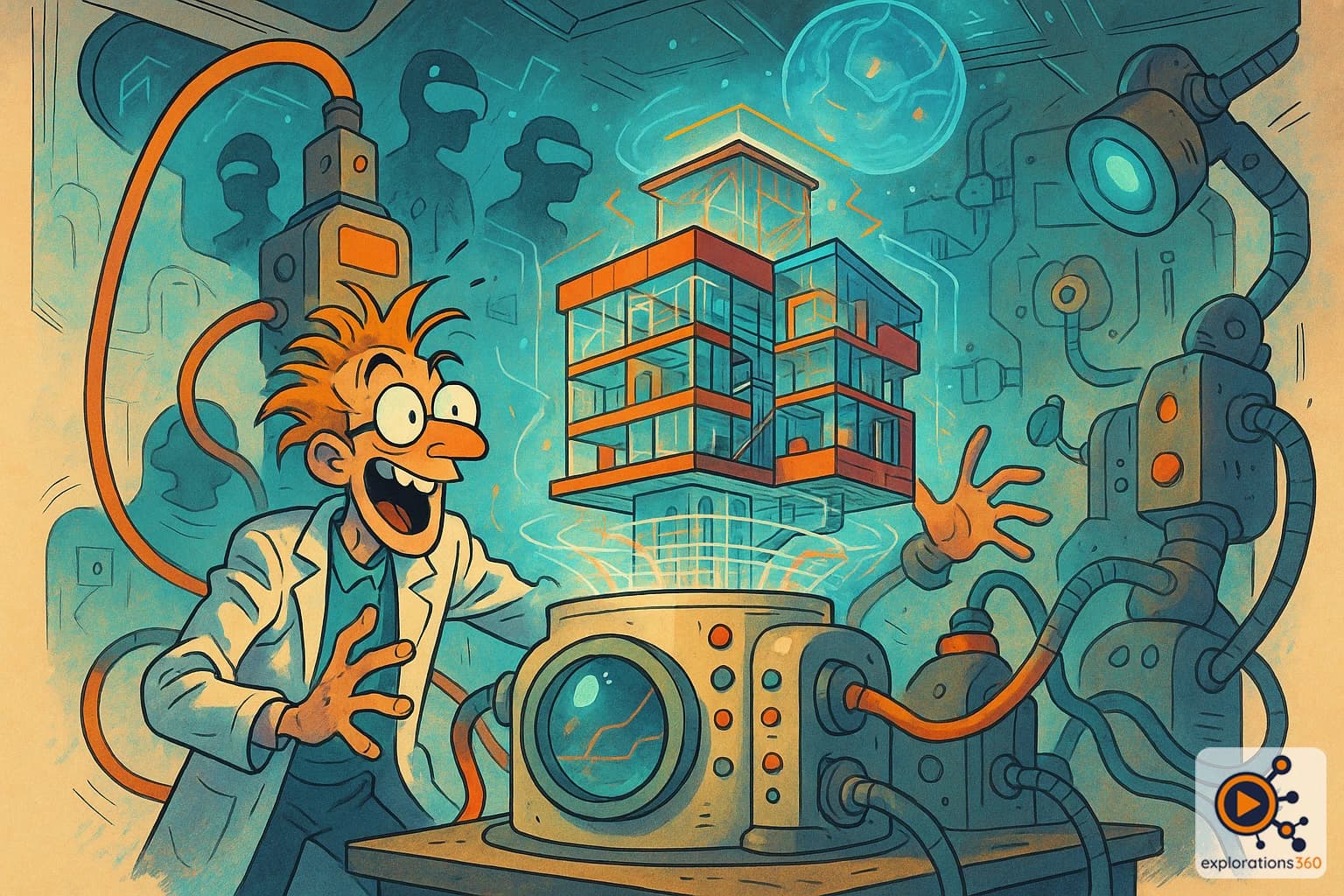
BIM is a collaborative workflow based on an intelligent 3D model of a building or infrastructure, containing all technical data (dimensions, materials, networks, costs). Combined with virtual reality, BIM allows stakeholders to walk through a building before construction and detect issues early.
Real-world example
Imagine putting on a VR headset and walking through your future office before a single brick has been laid — BIM makes that possible.
Practical applications
- Touring a building in VR before construction to validate architectural choices
- Detecting clashes between building systems (plumbing, electrical, HVAC) in immersive 3D
- Presenting a real estate project to clients and investors via a VR walkthrough of the BIM model
- Training maintenance teams on building technical installations in VR
BIM and immersive technologies
BIM + Virtual Reality
- Immersive 1:1 scale walkthrough of the building before construction
- Collaborative VR design review with all stakeholders
- Simulation of natural lighting and ambiance at different times of day
- Visual detection of design errors
Example: A property developer offers VR tours of future apartments based on the BIM model to accelerate off-plan sales
BIM + Augmented Reality
- Overlaying the BIM model on the real construction site to verify compliance
- Visualizing hidden networks (pipes, cables) through walls
- Guiding workers with AR instructions based on BIM data
- Assisted maintenance: viewing technical specs of equipment by pointing at it
Example: A maintenance technician points their smartphone at a wall and sees the hidden pipes thanks to BIM in augmented reality
VR scenario
An architecture firm designs a hospital. Using BIM coupled with VR, the medical team tours the future facility in a headset and discovers that the operating room is too far from the sterilization unit. The problem is corrected in the BIM model before construction begins, avoiding costly mid-construction changes.
Why it matters in professional VR
- BIM + VR revolutionizes construction by enabling stakeholders to "see" before building
- Significant reduction in errors and cost overruns through early problem detection
- BIM has become mandatory for public projects in many countries
- The convergence of BIM and XR is a major driver of digital transformation in the construction industry